
Workshop: Introduction to Evaluation: Core Concepts and Methods
Date and time: Wednesday 11 November 2026, 9.30am - 4.30pm AEDT (registration from 9.15am) Registrants to attend one full day session. There will be a lunch break in addition to two shorter breaks.
Venue: Via Zoom. Details will be emailed to registrants just prior to the workshop start time
Facilitator: Charlie Tulloch
Register online by: 10 November 2026, unless sold out prior limited to 25 participants.
Fees (GST inclusive): Members $400.00, AES Organisational member staff $525.00, Non-members $609.00, Student member $200.00, Student non-member $300.00* *Students must send proof of their full-time student status to s to aes@aes.asn.au
Workshop Overview
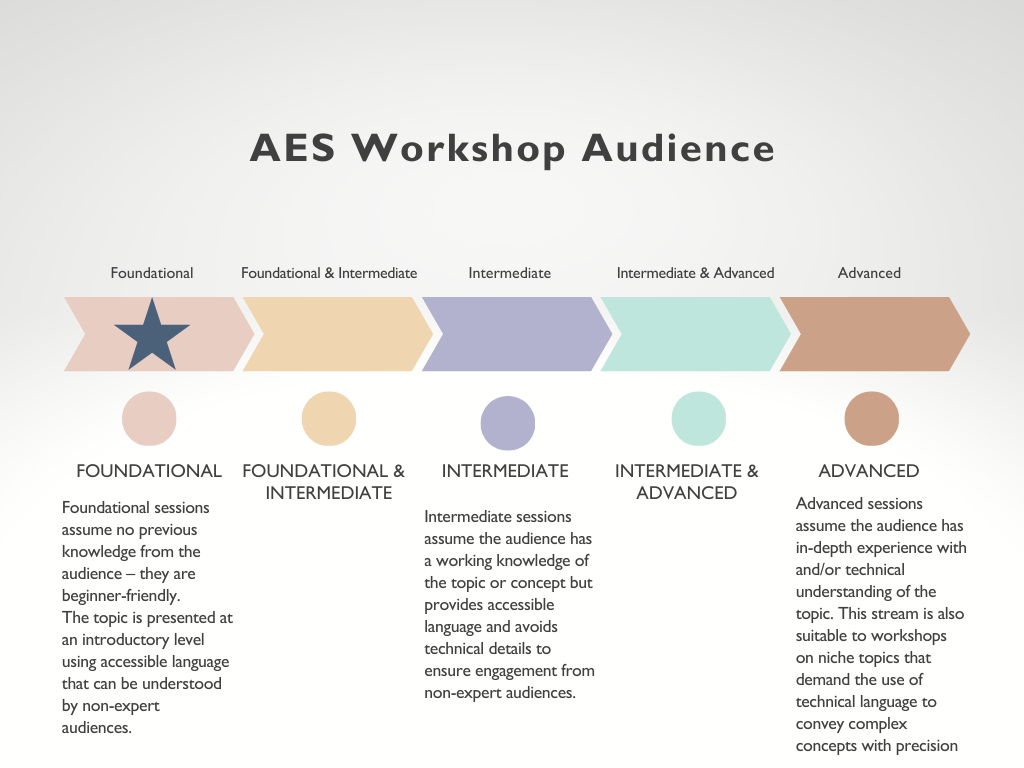
This workshop is aimed at those who are new or intermediate in the evaluation field. Its purpose is to outline the key concepts, terms and approaches for conducting or commissioning evaluation projects. It defines the role of the evaluator and the rationale for evaluation. It details the various evaluation approaches and a seven-phase method for conducting evaluation projects.
In doing so, the workshop steps through the key steps in framing, conducting and reporting on evaluation findings. It also provides guidance for commissioners of evaluation and shares resources for evaluators to continue building their skills and knowledge.
Workshop Content
This is a knowledge-building workshop that will provide attendees with greater clarity about core evaluation concepts and methods for conducting research.
Workshop Objectives
The purpose of the workshop is to provide attendees with an opportunity to reflect on the place of evaluation in the policy cycle and to improve their awareness of the different stages in completing high-quality evaluation projects.
What is the MEL Introductory Concepts and Skills Intensive series?
Introduction to Evaluation: Core Concepts and Methods is part of the MEL Introductory Concepts and Skills Intensive series. This foundational workshop offers a dynamic and immersive learning experience, equipping participants with essential evaluation concepts and practical approaches. Building a strong base for further learning, it prepares participants to confidently apply evaluation methods in real-world contexts. Continue your learning journey with Introduction to Evaluation 2: Data Collection Essentials, the second workshop in the MEL Introductory Concepts and Skills Intensive series, taking place the following day. Building on the core concepts covered in the first session, this interactive workshop dives into practical data collection approaches, equipping participants with the tools and confidence to gather high-quality evidence in real-world evaluation settings.
PL competencies
This workshop aligns with competencies in the AES Evaluator’s Professional Learning Competency Framework. The identified domains are:
-
Domain 1 – Evaluative attitude and professional practice
-
Domain 2 – Evaluation theory
-
Domain 3 – Culture, stakeholders and context
-
Domain 4 – Research methods and systematic inquiry
-
Domain 5 – Project management
Who should attend?
Those who are new or intermediate in the evaluation field, or those who feel they would benefit from time to reflect on the core themes and theory underpinning the evaluation field.
Workshop start times
For other time zones please go to https://www.timeanddate.com/worldclock/converter.html
About the facilitator
Charlie is a public sector evaluation and public policy consultant. Since mid-2008, he has worked in small, medium, and large consulting firms. He founded Policy Performance in February 2018 to support public sector policy development, implementation and evaluation.
Charlie started his career on the Victorian public service graduate program in 2004, then worked for the Department of Premier and Cabinet for four and a half years, providing policy advice in the areas of infrastructure, intergovernmental relations, economic development, tourism, major events, sport and recreation, and innovation.
Since turning to consulting, he has completed evaluation and reform projects across many portfolios, including Indigenous affairs, education and training (early childhood, primary, secondary and tertiary), industry/economic development, intergovernmental relations, community services, emergency services, out-of-home care, grants administration, sport and recreation, regional development and justice/corrections.
Charlie completed a Master of Evaluation in 2014 and was a tutor in Impact Evaluation at the University of Melbourne’s Centre for Program Evaluation between 2015-18. He was an online facilitator for Oxford University’s Evidence in Public Policy leadership short course in 2020. He was an AES Board member between 2020 and 2022.

